

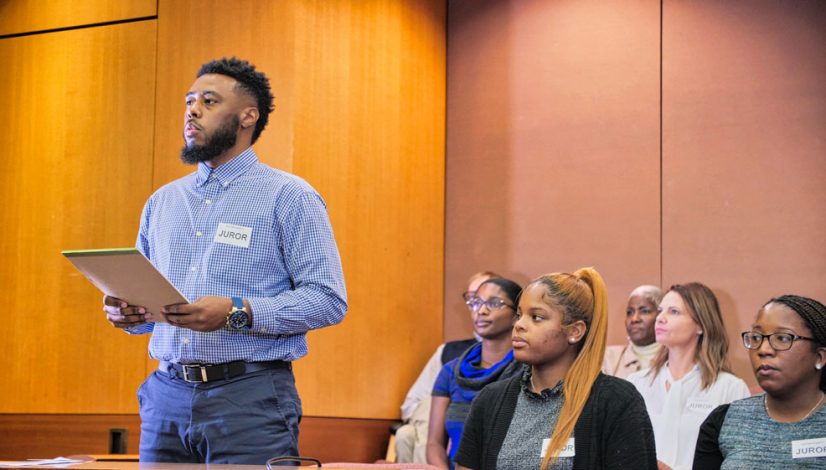
Juror Perception: Corporations vs. Individuals
In civil litigation, one of the most persistent questions is whether juries react differently to corporate defendants compared to individuals. The short answer is yes—but not always in predictable ways. Juror perception is shaped by psychology, narrative, and the specific facts of each case, not just the identity of the defendant.
The “Deep Pocket” Assumption
Corporate defendants often carry the burden of being perceived as having greater financial resources. Jurors may assume a company can more easily absorb a financial judgment than an individual. This can subtly influence how damages are evaluated, particularly in cases involving serious injuries or emotional harm.
However, this assumption can cut both ways. If a corporation is seen as acting responsibly, taking corrective action, or prioritizing safety, jurors may be less inclined to punish it simply for being large or well-funded.
Sympathy and Human Connection
Individual defendants tend to benefit from a more immediate human connection. Jurors can more easily relate to a person sitting in the courtroom than to a corporate entity. This can generate sympathy, especially if the individual appears credible, remorseful, or overwhelmed by the situation.
That said, individuals can also face harsher judgment if their conduct appears reckless or intentional. In those cases, the “human element” may amplify negative reactions rather than soften them.
Narrative Matters More Than Status
Jurors typically respond most strongly to the story being told. A corporation portrayed as cutting corners, ignoring safety, or prioritizing profits over people can face significant backlash. Conversely, an individual framed as dishonest or irresponsible may lose the benefit of personal sympathy.
Effective advocacy often focuses less on whether the defendant is a corporation or an individual, and more on how their actions fit into a clear, credible narrative.
Credibility and Conduct at Trial
Jurors pay close attention to behavior during trial. Corporate representatives who appear evasive, overly scripted, or dismissive can reinforce negative stereotypes. On the other hand, individuals who seem unprepared or inconsistent may lose credibility quickly.
Transparency, consistency, and professionalism tend to carry more weight than the type of defendant.
Jury Expectations Around Responsibility
There is often an implicit expectation that corporations should have systems in place to prevent harm—policies, training, oversight. When those systems fail, jurors may view the failure as systemic rather than accidental.
Individuals, by contrast, are often judged based on personal decision-making in a specific moment. This can narrow or intensify the focus of juror evaluation.
No One-Size-Fits-All Outcome
While general trends exist, jury reactions vary widely depending on jurisdiction, demographics, and the specific facts of the case. Pretrial assumptions about juror bias can be misleading if they are not grounded in the actual evidence and presentation.
Conclusion
Juries do not automatically favor individuals over corporations or vice versa. Instead, they evaluate credibility, responsibility, and the overall narrative presented at trial. Understanding how these factors interact is often more important than focusing solely on the identity of the defendant.
Need legal help? In California, navigating legal challenges, whether they involve personal injury, workers’ compensation, criminal defense or civil litigation, can be overwhelming. Khoury Law Group is here to provide the critical legal support you need. As a leading advocate for individuals facing legal battles, our experienced attorneys understand the complexities of the legal system and are committed to fighting for your best interests. With personalized legal strategies and compassionate support, we are dedicated to achieving the justice and compensation you deserve.
CONTACT US FOR HELP. Call us at (888) 354-6879 or fill out the form on our Contact page.