How Bankruptcy Affects a Civil Case
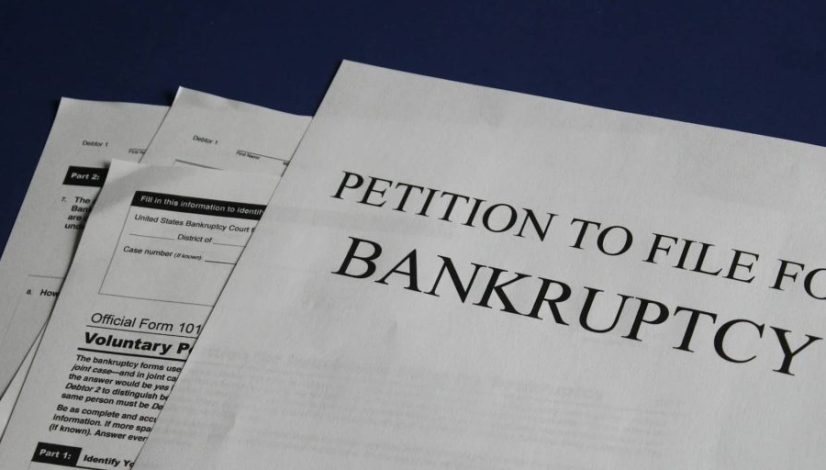
If you’re in the middle of a civil lawsuit and the other party files for bankruptcy, it can feel like the rug just got pulled out from under you. The short answer is: bankruptcy doesn’t automatically erase your case—but it does change the rules and the timeline. Here’s what actually happens and what it means for you.
The Automatic Stay: Why Everything Suddenly Pauses
When someone files for bankruptcy, federal law immediately triggers what’s called an automatic stay. This temporarily stops most collection efforts and civil litigation against the person or business that filed.
That means:
- Your civil case is usually paused, not dismissed
- Court hearings are put on hold
- You generally can’t move forward with enforcement or collection
The purpose of the stay is to give the bankruptcy court control over how debts are handled, rather than allowing multiple lawsuits to continue independently.
Not All Lawsuits Are Treated the Same
Whether your civil case can continue depends on what kind of claim you have.
Some claims may still move forward or survive bankruptcy, including:
- Fraud or intentional misconduct
- Willful or malicious injury
- Certain fiduciary or trust-related claims
Other claims—especially those based on breach of contract or unpaid debts—may be treated as dischargeable, meaning the debt could be wiped out at the end of the bankruptcy case.
This distinction matters a lot, and it’s one of the first things an attorney will evaluate.
You May Need to Act in Bankruptcy Court
If you want to protect your rights, you often need to take action inside the bankruptcy case itself, not just your civil lawsuit.
This can include:
- Filing a proof of claim to request payment
- Asking the bankruptcy court to lift the automatic stay so your lawsuit can proceed
- Filing an objection if you believe the debt should not be discharged
If you don’t act within the required deadlines, you could lose the ability to recover anything—even if your civil case was strong.
What Happens to Your Money?
If the bankruptcy court allows claims and there are assets available, you may receive partial payment, not the full amount you’re owed. Payments are often distributed based on priority rules, and unsecured creditors are usually paid last.
In some cases, there may be no recovery at all, especially if the debtor has few assets or many creditors.
Does This Mean the Case Is Over?
Not necessarily.
Your civil case may:
- Resume after the bankruptcy concludes
- Continue only for limited purposes (such as determining liability)
- End if the debt is discharged
The outcome depends on the type of bankruptcy filed, the nature of your claim, and whether timely action is taken.
Why Legal Guidance Matters Here
Bankruptcy introduces federal rules, strict deadlines, and strategic decisions that can seriously affect your case. What you do—or don’t do—after a bankruptcy filing can determine whether you recover anything at all.
If the opposing party files for bankruptcy during a civil dispute, it’s not the end of the road—but it is a critical turning point. Understanding your options early can make all the difference.
Need legal help? In California, navigating legal challenges, whether they involve personal injury, workers’ compensation, criminal defense or civil litigation, can be overwhelming. Khoury Law Group is here to provide the critical legal support you need. As a leading advocate for individuals facing legal battles, our experienced attorneys understand the complexities of the legal system and are committed to fighting for your best interests. With personalized legal strategies and compassionate support, we are dedicated to achieving the justice and compensation you deserve.
CONTACT US FOR HELP. Call us at (888) 354-6879 or fill out the form on our Contact page.